
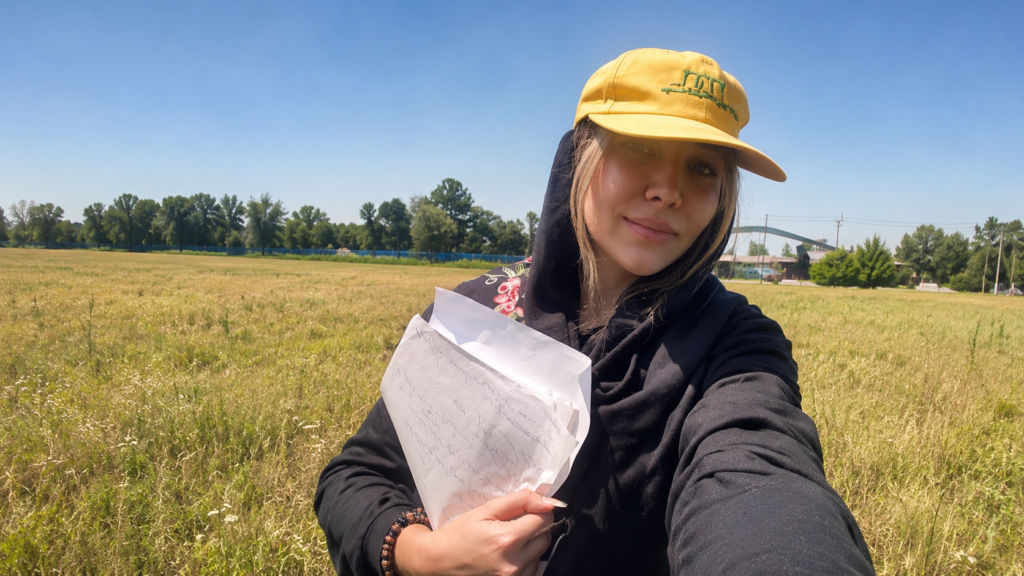
Maryam Shokrani
Maryam Shokrani: journalistic responsibility in a war of narratives
Maryam Shokrani traces the realities of the economy through a family’s bread debt, the breathlessness of Hamoun’s residents, and the lives of migrants who are afraid to tell their stories. A Shiraz-born woman fascinated by mathematics and physics, she began her writing career with satire and caricature before becoming Head of the Economy Desk at Shargh newspaper. Her career brings together impactful reporting and a nomination for an international award, alongside investigations censored before publication and judicial summonses. A year of following up on efforts to help a migrant child led to one of her most significant reports, a story that crossed borders. In Bread on Credit, she presented documentary evidence of families’ debts against officials’ denials. In A Poor Piece of Land, what began as a search for a migrant child led her to uncover the story of three generations in Afghanistan. The question running through these reports is clear: What decisions and power structures lead people to live under such circumstances?
Life and work
Maryam Shokrani was driving along Chamran Expressway when the radio broadcast the announcement that the Ukrainian passenger plane had been shot down. She broke down in tears behind the wheel. The newspaper had previously refused to publish her investigation into the evidence she had identified in photographs of the aircraft. Shokrani later said she felt a sense of responsibility towards the 176 passengers who had been killed, a responsibility she had been unable to fulfil. This experience is one of the clearest examples of a question that recurs throughout her work: when the official account does not match photographs, documents or people's lived experiences, what responsibility does a journalist bear? Maryam Shokrani has pursued this question through her investigation into the aircraft, the account books of bakeries in Dashtyari, and the story of three generations of an Afghan family.
Profile
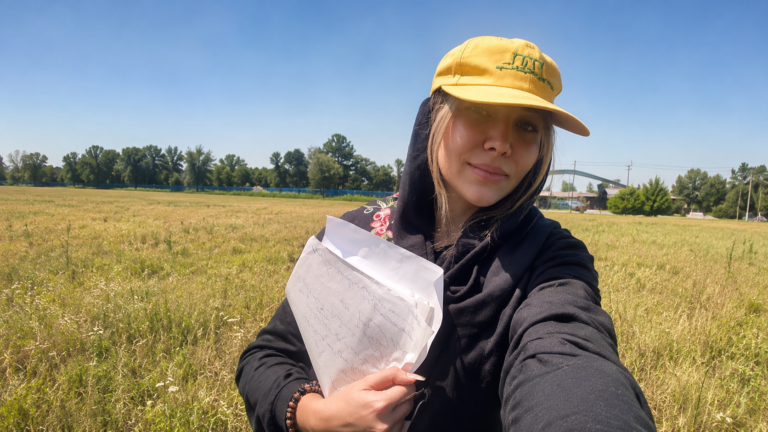
Maryam Shokrani in Portrait: Journalistic Responsibility in a War of Narratives
There were several holes in the right wing of the Ukrainian passenger plane. In photographs taken by a Red Crescent photographer, Maryam Shokrani noticed that, according to her, the edges of the holes were bent inward—a detail that did not match the authorities’ initial explanation that the engine had caught fire…
Read the profileInterview
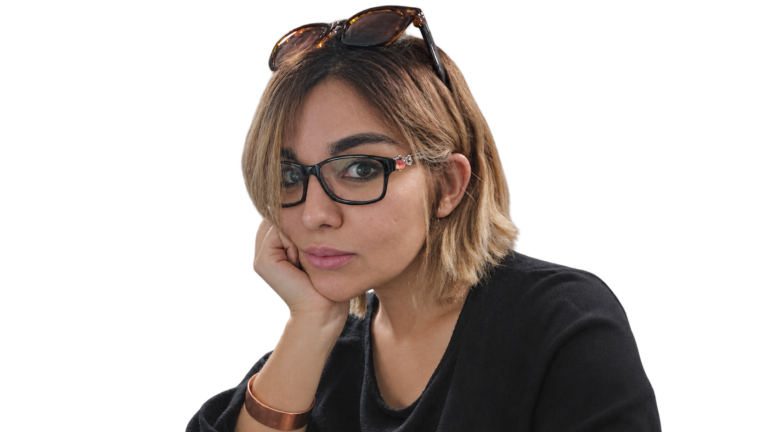
Interview with Maryam Shokrani: “A journalist should not see a person as a story subject”
Maryam Shokrani, economics editor at the daily newspaper Shargh, speaks to 1001NOMADS about her first satirical pieces in Gol Agha and the investigations she was not allowed to publish. She recounts how, starting with a bakery’s account book…
Read the interviewOfficial links and contact details for Maryam Shokrani
Share this page
Related women and stories
Maryam Shokrani summoned to court over photos she posted without a hijab
Maryam Shokrani, economics editor at the daily newspaper Shargh, says she was summoned to appear in court on 19 October 2026 for publishing personal photos without the mandatory headscarf. The case lies at the intersection of press freedom and control over women’s clothing.
Read the article